01
Developer → Technical Lead
System design basics, API quality, engineering effectiveness, collaboration and ownership.
Service boundaries and API contractsSecurity as a design requirementAI-assisted development with review
A Fortune 500–relevant learning framework for engineers, architects and aspiring technology leaders — based on industry problems rather than platform-specific certifications.
These are proposed, free guided learning tracks. They are not accredited credentials or employer-endorsed programs.
System design basics, API quality, engineering effectiveness, collaboration and ownership.
Work from business requirements to architecture that is operationally defensible.
Integrate business capability planning, technology strategy and portfolio-level governance.
Build confidence in enterprise decision-making, cross-team influence and risk ownership.
Design AI systems within identity, authorization, accountability and operational boundaries.
Each guided track should connect business context, learning objectives, architecture artifacts and real engineering practices.
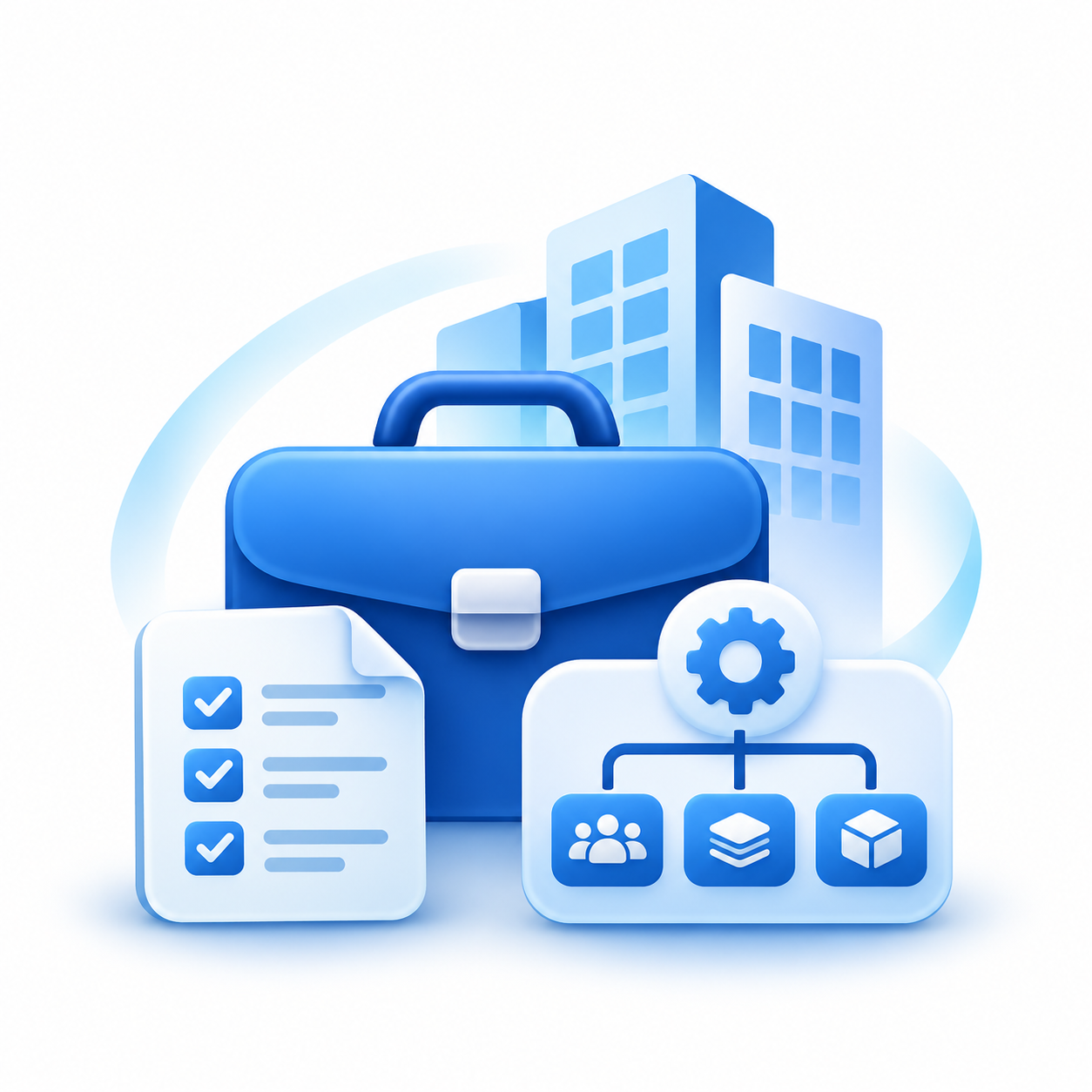
Learn why the system exists, what business capability it serves and what success looks like.
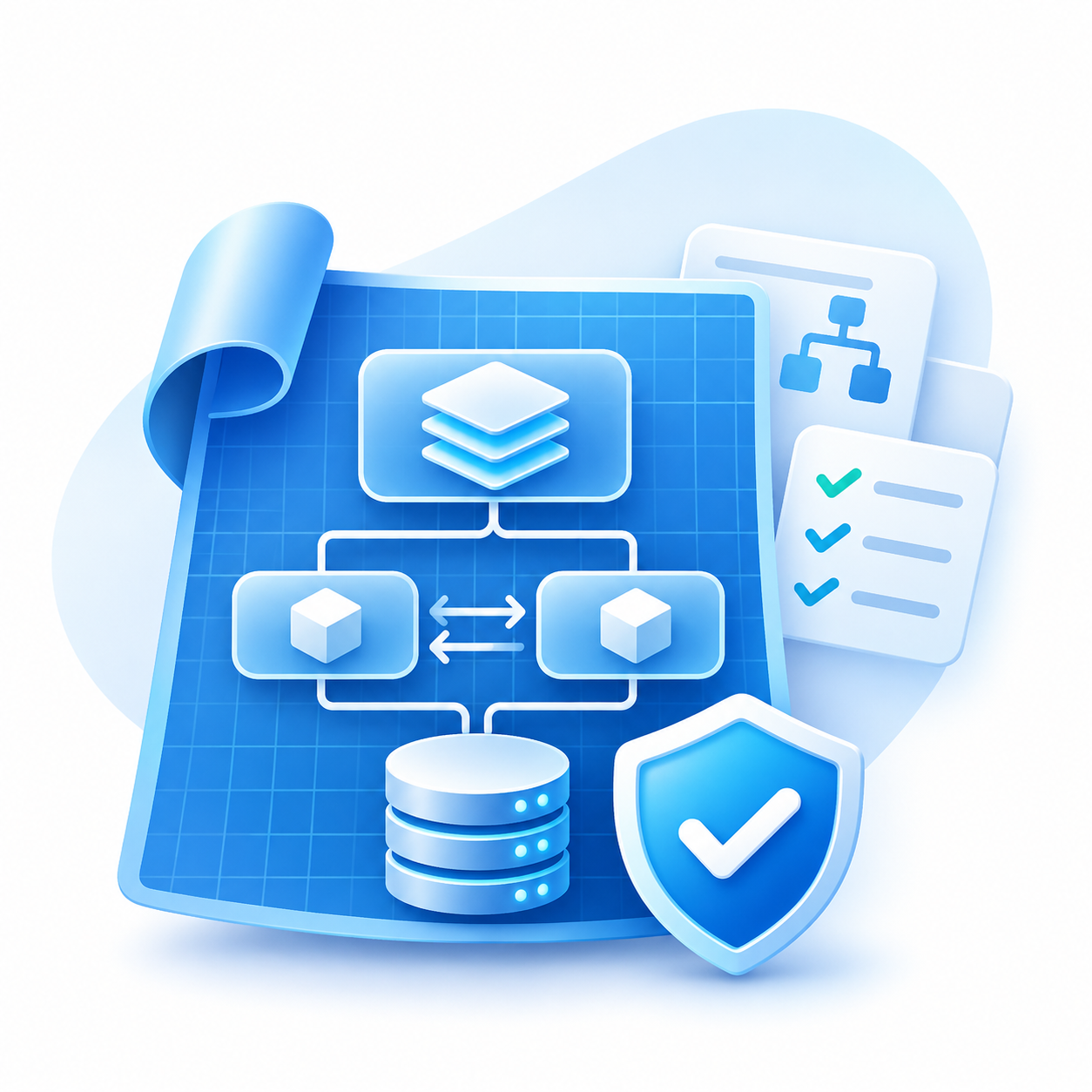
Study integration maps, identity flows, databases, quality attributes and decision records.
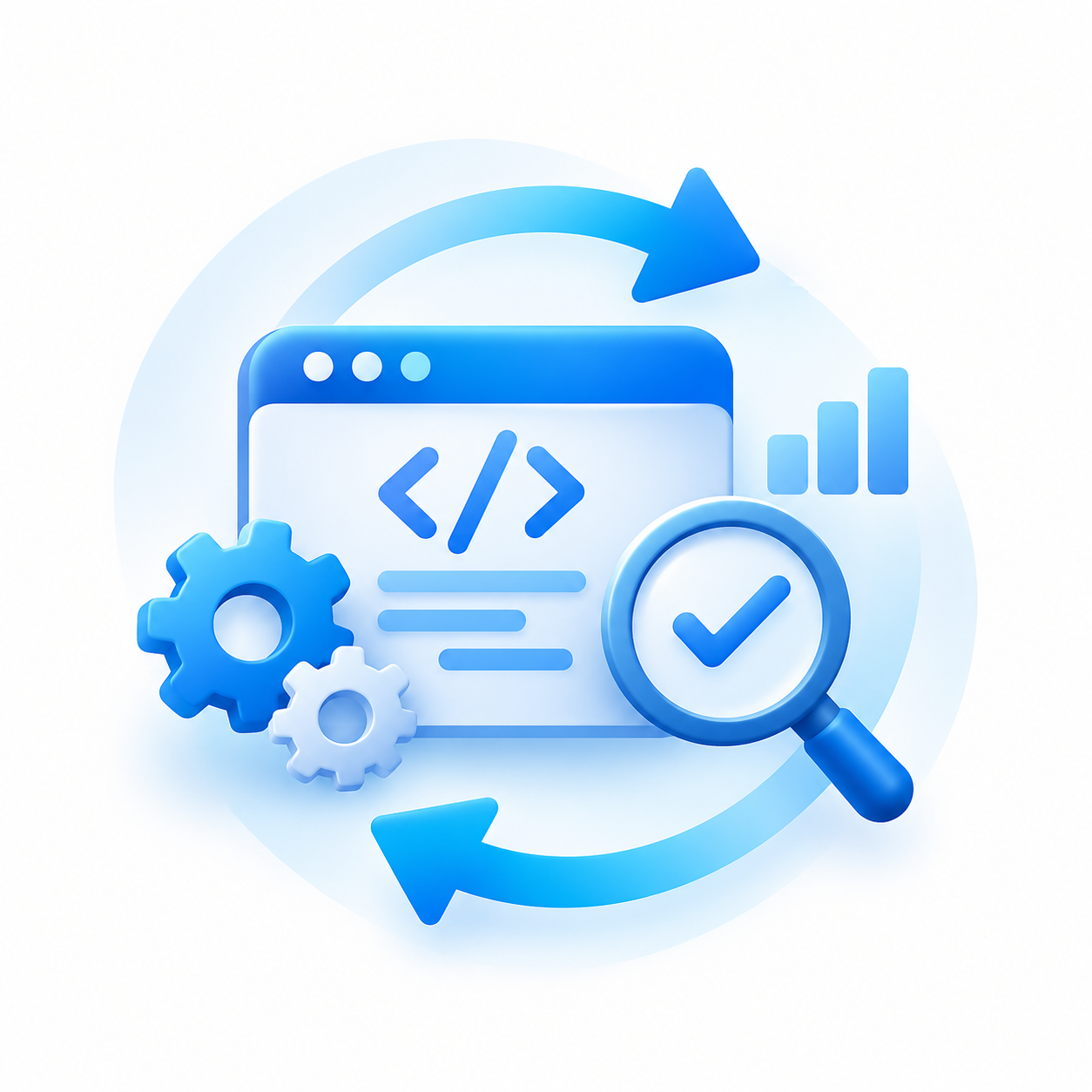
Explore code-level demonstrations and discuss tradeoffs, failure modes and governance.
The next generation of technology leadership cannot be built in one programming language, one cloud platform, or one isolated department. At Rolling Stone Technology, our learning philosophy brings business operations, modern technology, architecture, cybersecurity, and AI together so experienced professionals can connect decisions across the whole organization.

Understand how manufacturing, healthcare, retail, logistics, banking and other industries actually operate—and how finance, operations, customers, suppliers and regulators depend on each other.
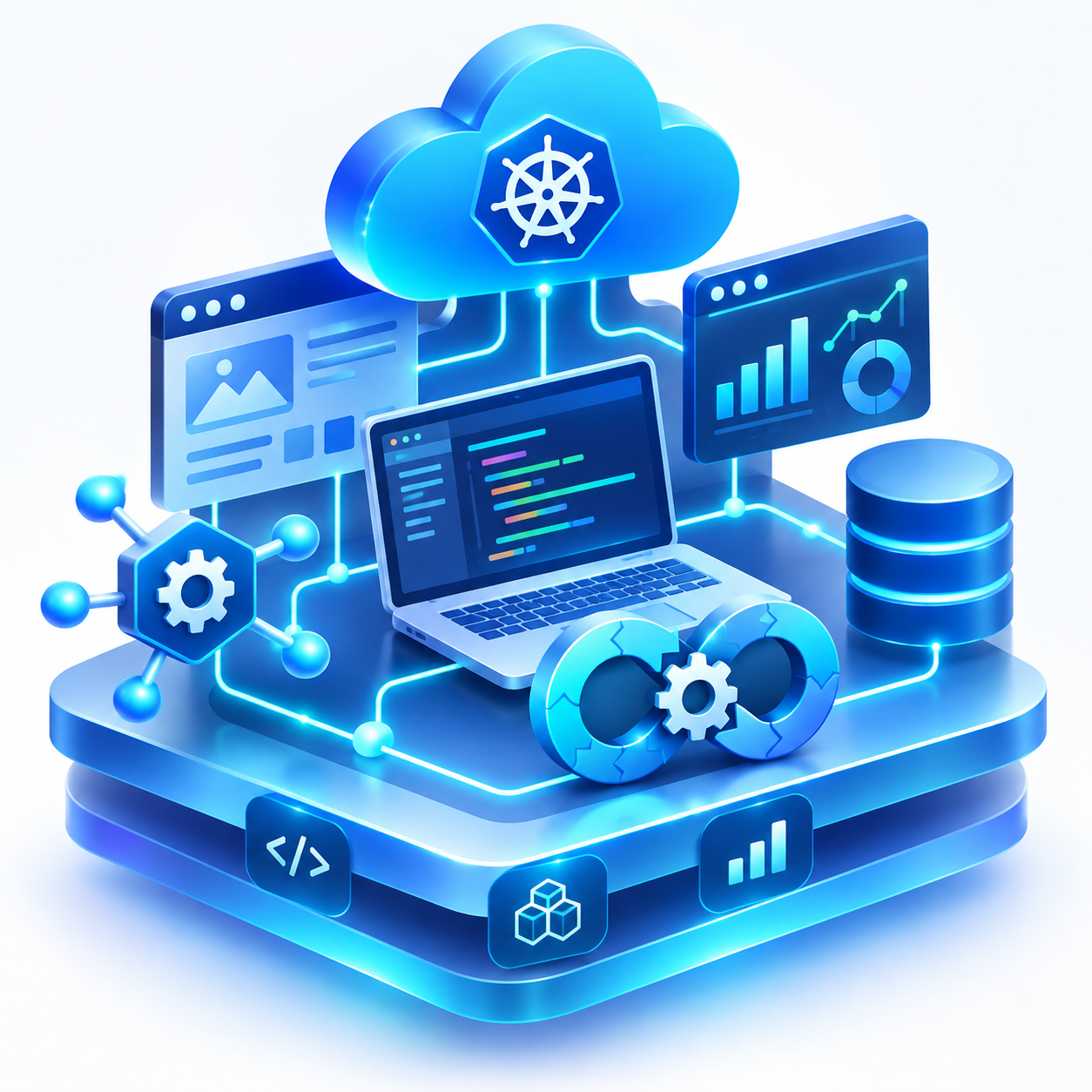
Become conversant in APIs, application engineering, databases, integration, cloud, Kubernetes, events, analytics, DevSecOps and production operations.

Connect the business operating model to capabilities, data ownership, system boundaries, integration dependencies, technology economics and modernization roadmaps.
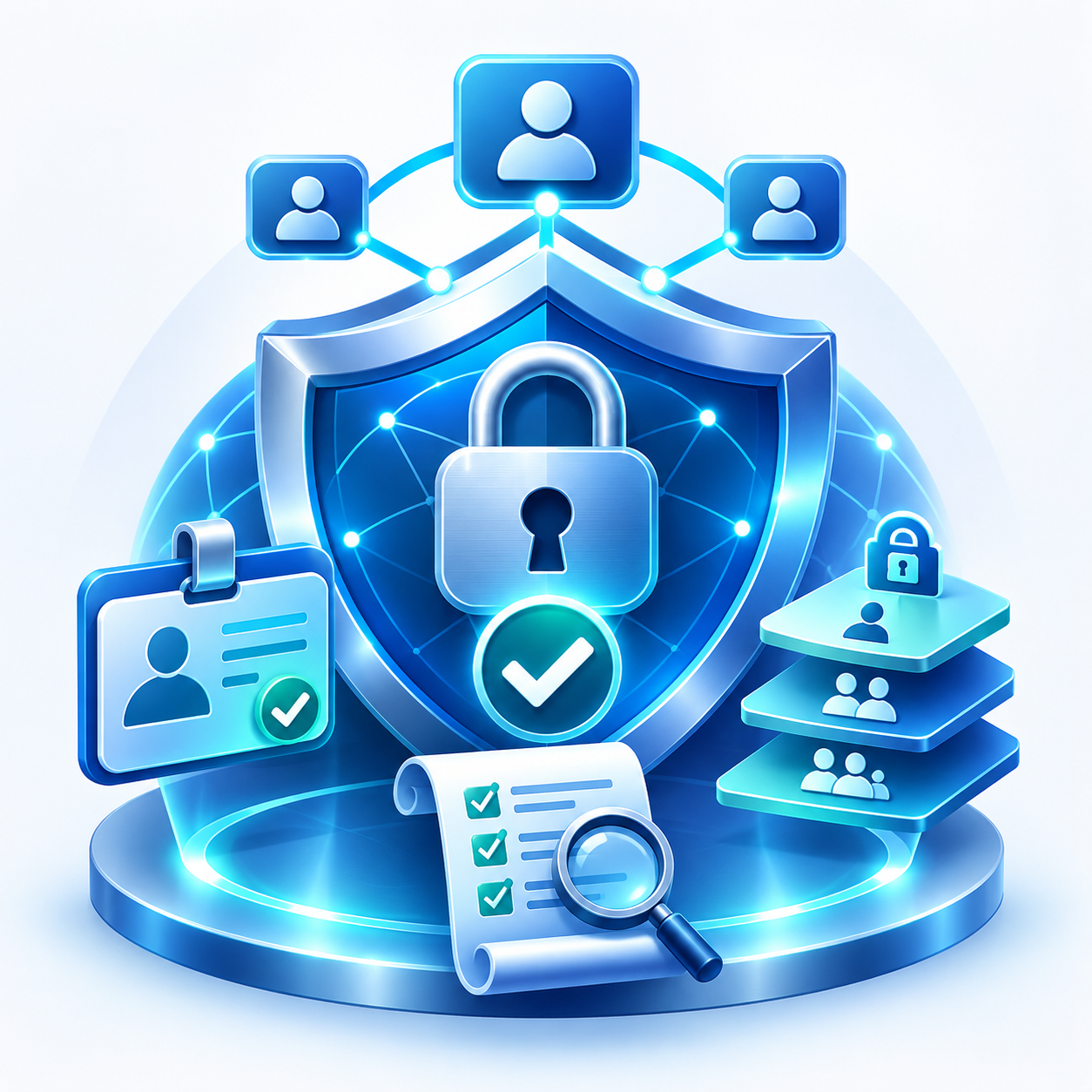
Lead with identity federation, OAuth2/OIDC, RBAC/ABAC, least privilege, secrets, audit, incident response, resilience and regulatory obligations.
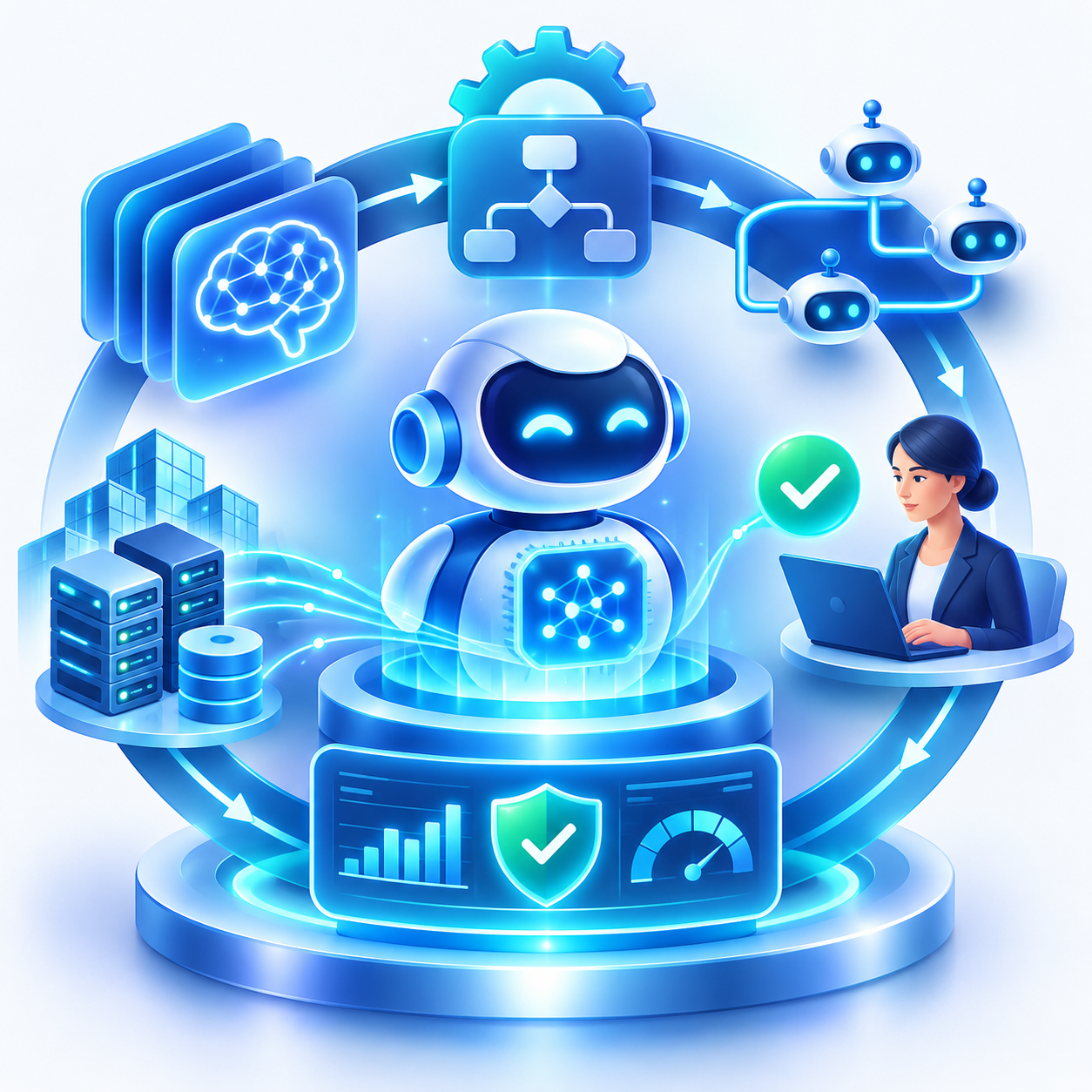
Understand LLM capabilities and limits, agents, secure tools, workflow orchestration, evaluation, human oversight, deployment and enterprise observability.
The same five competencies come together differently in each industry. Our learning scenarios focus on what leaders must ask, what systems must exchange, where authorization belongs, and how to verify a measurable business result.
Follow demand from sales orders into procurement, production, quality, inventory, shipping and accounting. Evaluate an AI assistant that recommends corrective action without bypassing ERP approvals.
Connect demand forecasts, store inventory, supplier contracts, warehouses, transportation and finance. Assess how agents coordinate replenishment through narrowly authorized tools.
Trace patient intake, care coordination, claims, pharmacy and sensitive clinical records. Apply role-specific access and human approvals for consequential decisions.
AI is not making established security controls obsolete. It is making some attacks cheaper, more convincing, faster and easier to scale, while adding new risks such as prompt injection and abuse of autonomous tools. Leaders must understand both the emerging techniques and the familiar trust boundaries they exploit.
Microsoft's 2026 Digital Defense Report describes AI-enabled mass personalization of phishing and broader use of AI across the attack lifecycle. A believable message or synthetic executive voice can pressure an employee to approve a fraudulent transfer or disclose credentials.
Leadership response: Phishing-resistant MFA, independent payment verification, segregation of duties and targeted workforce training.
Microsoft Digital Defense Report 2026 ↗Google Threat Intelligence has documented adversaries using AI to support reconnaissance, social engineering, malware development and increasingly automated workflows. AI assistance does not imply every attack is autonomous—but it changes the speed and scale of adversary preparation.
Leadership response: Attack-surface reduction, rapid patching, detection engineering, network segmentation and tested incident-response playbooks.
Google Threat Intelligence: From Prompting to Autonomy ↗Untrusted instructions embedded in documents, repositories or external content can attempt to redirect AI systems. Google has reported prompt-injection attempts targeting AI-based malware scanners and malicious material associated with AI coding workflows.
Leadership response: Treat retrieved content as untrusted, constrain tool privileges, use approval gates, protect secrets and test adversarial inputs.
Google Threat Intelligence: AI supply-chain and injection risks ↗Attackers may target service identities, development tools and trusted software dependencies rather than exploit a public web form. Google Cloud has documented a cloud intrusion path involving a trojanized Python application and malicious code execution during an AI-assisted development workflow.
Leadership response: Short-lived credentials, image signing, SBOMs, secure CI/CD, workload isolation, centralized telemetry and least-privilege cloud access.
Google Cloud Threat Horizons H1 2026 ↗Geopolitics, cyber campaigns, regulation, supply-chain disruptions, cloud capacity, technology dependencies and new AI capabilities can change a previously sound design decision. Effective leaders do not chase headlines; they create repeatable ways to detect changes, assess exposure and adjust deliberately.
Follow threat intelligence, vendor advisories, regulatory changes, business-market shifts and operational SLOs. Assign clear ownership for each source of risk.
Map what changed to business processes, data flows, identities, dependencies, third parties, critical APIs and customer impact.
Prioritize controls and design changes using likelihood, impact, architectural tradeoffs, cost, reversibility and documented approval.
Deliver through DevSecOps, tests, architecture reviews, runbooks, monitoring, tabletop exercises and measurable business outcomes.
Explore our free lessons, cross-industry architecture examples and responsible Agentic AI material. Build a learning path that joins business understanding, modern engineering, cybersecurity and AI—not separate collections of certificates.